
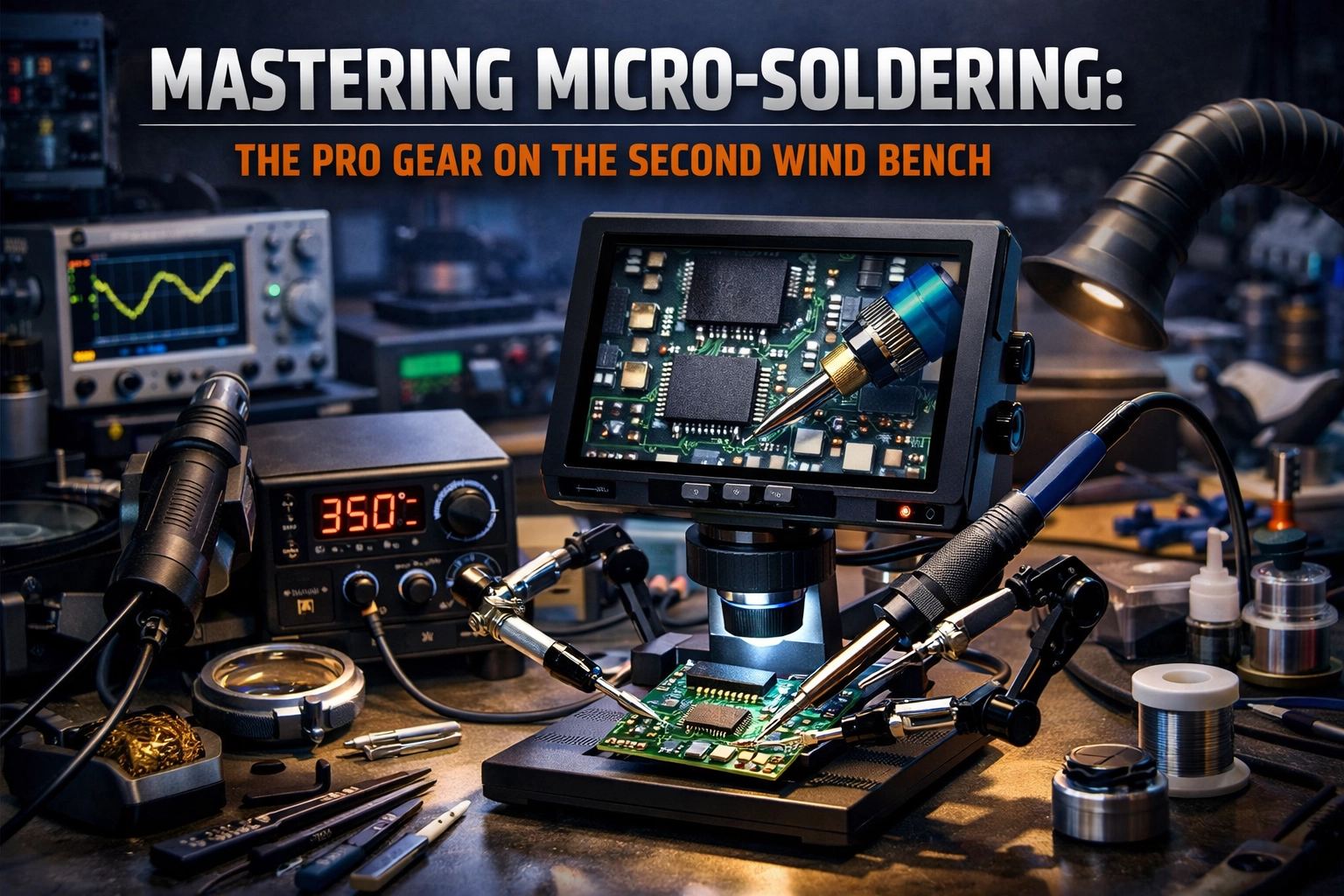
If you’ve ever peeked through the front window of Second Wind Sales and Services here in Lethbridge, you’ve probably seen me hunched over a workbench, surrounded by a glowing screen and a tiny puff of smoke. No, I’m not practicing alchemy, though sometimes bringing a dead MacBook back to life feels like it. I’m doing micro-soldering.
Micro-soldering is the “boss level” of computer repair. It’s the difference between telling a customer, “Sorry, your motherboard is toast,” and saying, “Give me an hour; I just need to replace a chip the size of a grain of salt.”
Penny (our resident content whiz) and I: or Team PenOdy, as we’re calling ourselves now: decided it was time to pull back the curtain. People often ask what’s actually on the bench. Is it all high-tech lasers and robots? Not exactly. It’s a mix of precision machinery, steady hands, and some surprisingly low-tech hacks that keep the screws from disappearing into the void.
Whether you’re a fellow tech enthusiast or just curious about how we save your data from the brink of extinction, here is the official tour of the gear that powers Second Wind Sales and Services.
The Heart of the Operation: Bakon 882 Rework Station
If you’re going to perform surgery on a circuit board, you need a scalpel that doesn’t fluctuate in temperature like a Lethbridge spring afternoon. For that, I rely on the Bakon 882 Soldering Iron and Hot Air Rework Station.

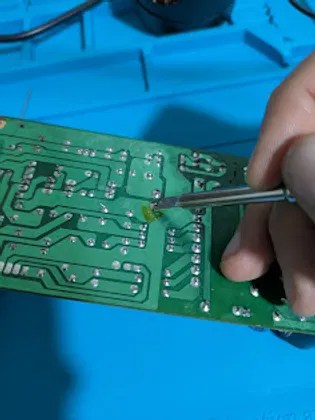
This is a “two-in-one” powerhouse. The soldering iron side is for the direct contact stuff: attaching wires or swapping out larger capacitors. But the real magic is the Hot Air Rework side. When you have a chip with 48 tiny legs tucked underneath it, a standard iron can’t touch them. You use the hot air to gently (and precisely) bathe the area in heat until the solder liquefies and the chip “floats” off the board.
Pro-Tip: Heat is a double-edged sword. Too little and nothing moves; too much and you’re looking at a puddle of plastic. The Bakon 882 lets me dial in the exact Celsius I need so I don’t turn your iPad into a coaster.
Seeing the Invisible: The Dcorn 1200x Digital Microscope

Humans aren’t built to see the microscopic traces on a modern motherboard. Trying to solder a charging port on a Nintendo Switch without magnification is like trying to tie your shoelaces while wearing oven mitts in the dark.
On the Second Wind bench, the Dcorn 1200x Digital Microscope is my second set of eyes. It features a built-in 7-inch screen, which is a total game-changer. Instead of leaning into an eyepiece and straining my neck, I can look straight ahead at a crystal-clear image of the board.
When you zoom in 1200 times, a speck of dust looks like a boulder, and a cracked solder joint: the kind that causes your laptop to randomly shut off: looks like the Grand Canyon. It allows for the kind of precision that separates a “hacker” from a professional repair tech.

The Precision Squad: Drivers and Wrists-Savers
You can’t get to the circuit board without removing the casing, and manufacturers love making that difficult. They use Pentalobe screws, Tri-point screws, and stuff I’m pretty sure they invented just to annoy us.
The iFixit Mako Driver Kit

This is the gold standard. If there’s a screw on this planet used in a consumer electronic device, the Mako kit probably has the bit for it. The magnet is just strong enough to hold the screw, and the swivel top makes one-handed removal a breeze. It’s the “Old Reliable” of the shop.
The HOTO Electronic Precision Screwdriver

Now, if I’m working on an iPhone or a modern laptop, I might have to remove what feels like 284,773 tiny screws. Doing that by hand is a great way to get carpal tunnel before lunch. The HOTO electronic screwdriver is my wrist-saver. It’s low-torque (so it won’t strip the delicate threads) but fast enough to make disassembly feel like a breeze.

The “Unsung Heroes” of the Bench
While the big fancy machines get the glory, the day-to-day grind is handled by the small stuff. If you’re building your own DIY repair kit, don’t skip these:
- Pill Organizers: I’m not joking. A Monday-to-Sunday pill box is the best way to keep screws categorized by “layers” of the device.
- Spudgers and Pry Tools: You need a lot of these, and you need them in all sizes. They are essentially the “guitar picks” of the tech world. They wear out, they snap, and they save you from scratching a customer’s frame.
- Tweezers: You need straight ones, curved ones, and “blunt” ones. When you’re placing a resistor that’s smaller than a flea, the right pair of tweezers is the difference between success and “Where did that part just fly to?”
- Solder Wick and Solder Suckers: Soldering is as much about removing old, crusty lead-free solder as it is about adding new stuff.
- Ventilation: Never, ever solder without a fan or a fume extractor. Solder smoke smells like “bad decisions” and is definitely not something you want in your lungs.


The Secret Sauce: The “Photo-Markup” Method
This is the most important tip I can give anyone starting out in repair. Even after years of doing this, I don’t trust my memory.
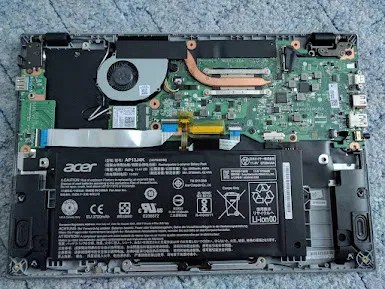
Before I remove a single plate or cable, I take a high-res photo with my phone. Then, I use the “Mark-up” tool on the phone to circle where the long screws go versus the short screws.
The Rule of One: One photo equals one section of the pill organizer. If I take the screen off, that’s Photo #1 and Pill Section “Monday.” If I pull the battery, that’s Photo #2 and Pill Section “Tuesday.”
When it comes time to put it all back together, I just reverse the photos. It’s a foolproof system that ensures your device doesn’t come back to you with “extra” parts rattling around inside.
Why Gear Matters (And Why Experience Matters More)
You can buy all the gear on Amazon: I’ve even linked some of it above for the brave souls out there. But having a professional soldering station is a bit like having a professional stove; it doesn’t automatically make you a Michelin-star chef.
At Second Wind Sales and Services, we invest in this gear because our customers deserve the best. Whether we’re dealing with iPhone parts pairing issues or resurrecting a vintage console, having the right tool for the job means we can work faster, safer, and more reliably.
We love the “long game” of repair. We aren’t interested in the “churn and burn” style of big-box stores. We want to fix your tech so well that you don’t have to see us again for a long time (though we’re always happy to chat if you do!).
Need a Hand?
If your laptop has decided to stop charging, or your favorite gaming controller has developed a mind of its own, don’t despair. You don’t need to go out and buy a microscope and a Bakon station: you can just use ours.
Stop by the shop, or check out our sitemap to see the full range of what we can do. From micro-soldering to collectible vinyl figures, we’re here to give your tech a second wind.
Keep it local, keep it techy, and remember: if it’s broken, it’s probably just a “gear and a steady hand” away from being fixed.
: Cody Woodman
Owner, Second Wind Sales and Services
Leave a Reply