
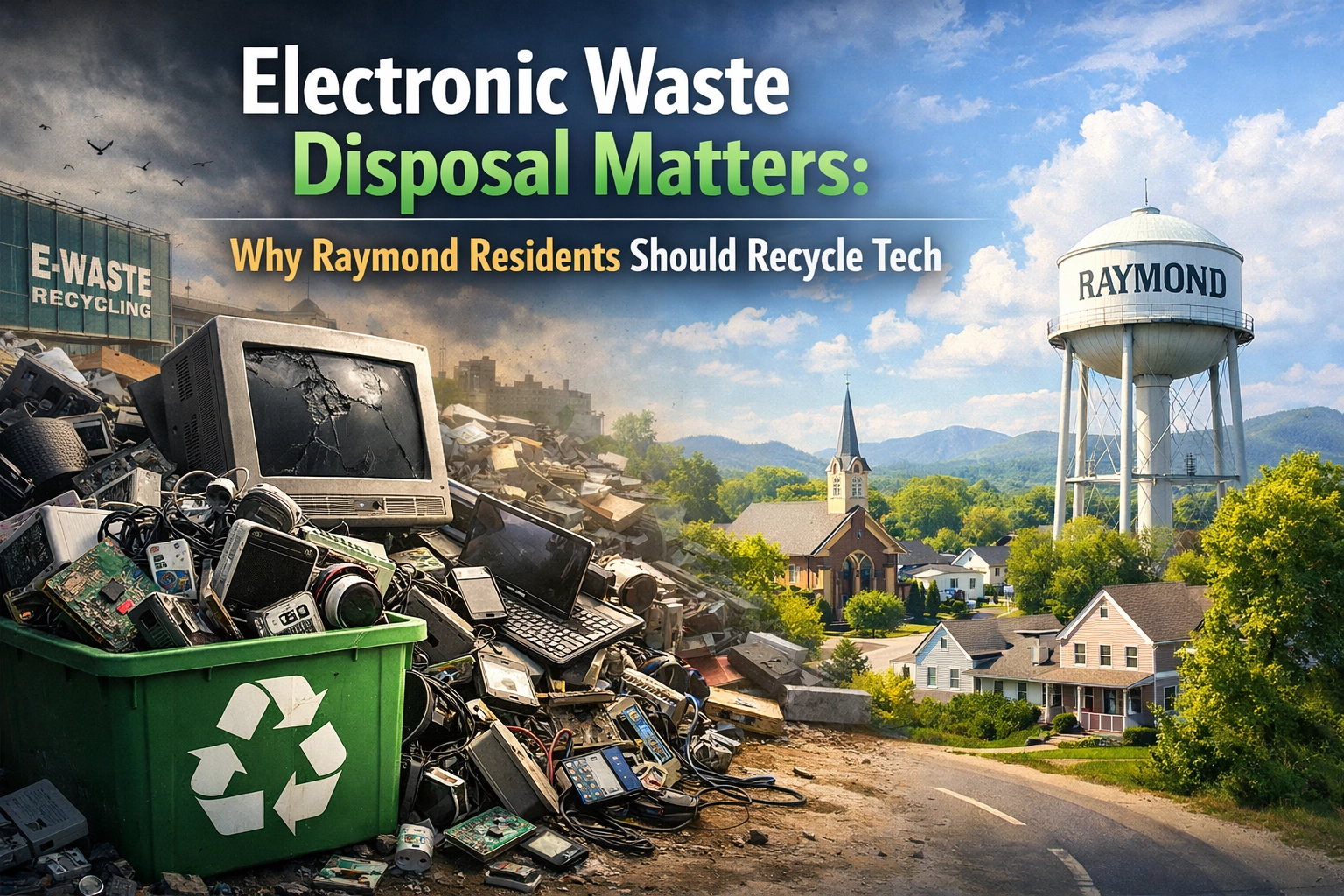
If you live in Raymond, you know we’ve got some of the best views in Southern Alberta. Whether you’re looking out toward the Ridge or just enjoying a quiet evening in town, there’s something special about our corner of the province. But there’s a quiet “monster” hiding in most of our homes that’s not quite as scenic: the junk drawer.
You know the one. It’s filled with tangled charging cables that don’t fit any phone you currently own, a digital camera from 2008 that takes blurry photos, and maybe a laptop that sounds like a jet engine taking off every time you try to check your email.
Dealing with electronic waste disposal isn’t exactly the most exciting Saturday afternoon project. It’s much easier to just shove that old tower into the garage or: worse: toss it in the black bin and hope for the best. But as your neighborly tech wizard here at Second Wind Sales and Services, I’m here to tell you why “tossing it” is a bad move for our community and how we can make the whole process way easier for you.
What Actually Counts as “E-Waste”?
Before we get into the “why,” let’s talk about the “what.” A lot of folks think electronic waste is just big stuff, like a CRT television or a massive office printer. While those definitely count, e-waste is actually anything with a circuit board or a battery.
In our shop, we see it all. Here’s a quick checklist of things that shouldn’t go in your regular trash:
- The Spaghetti Monster: Those boxes of tangled USB cables, power adapters, and VGA cords.
- Old Mobiles: Flip phones, early Blackberries, and that iPhone 4 with the shattered screen.
- Computer Peripherals: Keyboards, mice, webcams, and external hard drives.
- Dead Laptops & Towers: Even if they’ve been stripped for parts.
- Gaming Gear: Broken controllers, old consoles, and handhelds.
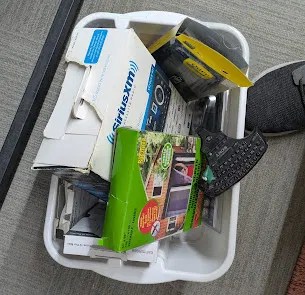
Pro-tip: If it plugged into a wall or took a battery, it’s likely e-waste. If you’re unsure, just bring it by the shop and I’ll let you know!
Why the Regular Trash is a No-Go for Southern Alberta
I’m not here to lecture you: I’ve got enough on my plate with computer repair services: but we really need to talk about what happens when tech hits the landfill. Unlike an apple core or a cardboard box, electronics don’t just “break down.”
Most electronics are packed with heavy metals and chemicals. We’re talking about lead, mercury, cadmium, and beryllium. When these items sit in a landfill, the rain (or the melting Southern Alberta snow) washes those chemicals into the soil. Eventually, that “leachate” can find its way into our groundwater.
For a community like ours that relies on the land, keeping our soil clean is a big deal.
- Lead: Found in older monitors and circuit board solder. It’s nasty stuff for the nervous system.
- Mercury: Used in some older laptop screens and switches. Just a tiny amount can contaminate a huge volume of water.
- Lithium-Ion Batteries: These are the biggest fire hazards. If they get crushed in a garbage truck, they can vent and start a fire that’s incredibly hard to put out.
We want to keep Raymond beautiful, and proper electronic waste disposal is a huge part of that.
Data Security: Your Privacy is at Stake
Here’s the thing many people forget: your old tech still “remembers” you. Even if your computer won’t turn on, the data on that hard drive is often still there, just waiting for someone with a bit of know-how to find it.
When you toss a computer in the regular trash or leave it at an unattended drop-off, you’re basically handing over your digital life to whoever picks it up. Old tax returns, family photos, saved passwords: it’s all there.
When you bring your gear to an electronics recycling center like Second Wind, we take data security seriously. We don’t just toss your drive in a bin. We ensure that data is wiped or the physical drive is destroyed before it ever leaves our sight. It’s about peace of mind.

The “Second Wind” Philosophy: Repair First, Recycle Last
Our name isn’t just a catchy phrase: it’s how we operate. Most “recycling” programs just want to grind your tech down into raw dust to sell the copper and gold inside. While that’s better than a landfill, we think it’s a bit of a waste.
Manufacturing a new laptop takes a massive amount of energy and raw materials. If we can take your “broken” laptop, swap out a faulty RAM stick, and give it a custom SSD upgrade, we’ve saved a perfectly good machine from the shredder.
Our process looks like this:
- Assessment: Can this be fixed? Often, a “dead” PC just needs a new power supply or a deep clean.
- Refurbishment: If you don’t want it back, we’ll wipe the data, fix the hardware, and get it ready for a new home. This is why we often have great refurbished laptops for sale in our shop.
- Harvesting: If the motherboard is fried, we’ll save the screen, the keyboard, and the screws. You’d be surprised how many “vintage” repairs we do using parts from recycled units.
- Responsible Recycling: Only when a device is truly “toasted” do we send it off to a specialized facility that handles the raw material recovery.
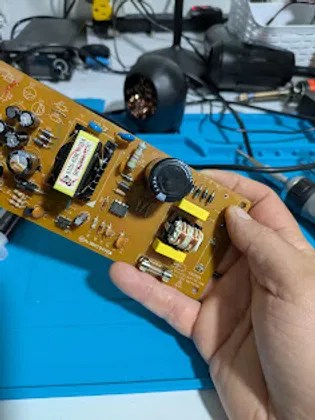
Pro-tip: Before you decide your computer is “trash,” let me take a look. A slow computer is often just a software issue or a dusty fan away from being fast again!
Supporting Your Local Economy
When you choose a local spot like Second Wind Sales and Services for your tech needs, you’re keeping your dollars (and your hardware) right here in the community. We aren’t a faceless corporation; we’re part of the neighborhood.
Whether you’re looking for a new cool tee or searching for a rare Funko Pop while your laptop gets a tune-up, we try to make every visit worth your while.
We know that driving all the way into the city just to drop off a box of old cables is a chore. That’s why we try to make it easy for Raymond residents to drop things off locally. You don’t need an appointment to drop off e-waste: just swing by during our regular hours.
How to Get Started
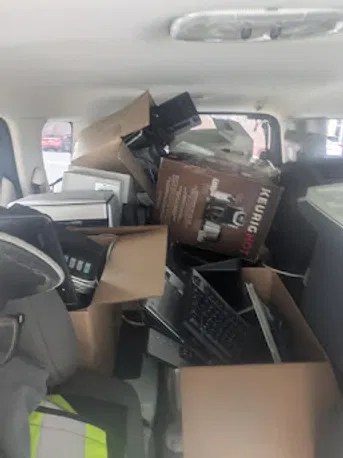
Ready to reclaim your junk drawer? Here is the “Easy Way” to handle your e-waste:
- Gather it up: Grab a cardboard box and do a quick sweep of the house. Check the basement, under the beds, and the back of the pantry.
- Don’t worry about the tangles: You don’t need to neatly coil every cable. Just dump them in.
- Keep the batteries separate (if possible): If you have loose batteries, put them in a small Ziploc bag so they don’t short out against something metal.
- Bring it to Second Wind: Drop it off at the shop. While you’re here, we can chat about whether any of that gear is worth saving or if you’re looking for an upgrade.
Wrap Up
Electronics are a huge part of our lives, but they shouldn’t be a permanent part of our landscape. By choosing proper electronic waste disposal, you’re protecting our Southern Alberta water, keeping your personal data safe, and supporting a local business that believes in giving tech a second chance.
I’m Cody, and I’ve seen enough “fried” motherboards to know that a little bit of care goes a long way. Let’s keep Raymond clean, one old laptop at a time.
If you have questions about what we accept or if that old PC of yours is worth a repair, give me a shout or stop by the shop. We’re always happy to help a neighbor out!
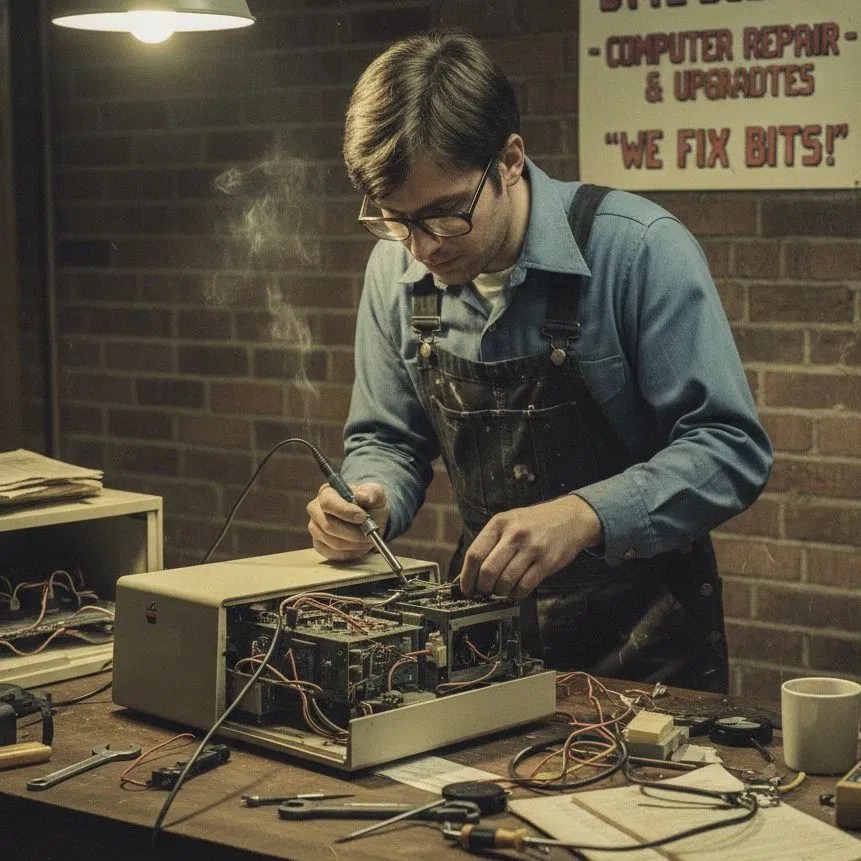
See you at the shop!
Leave a Reply